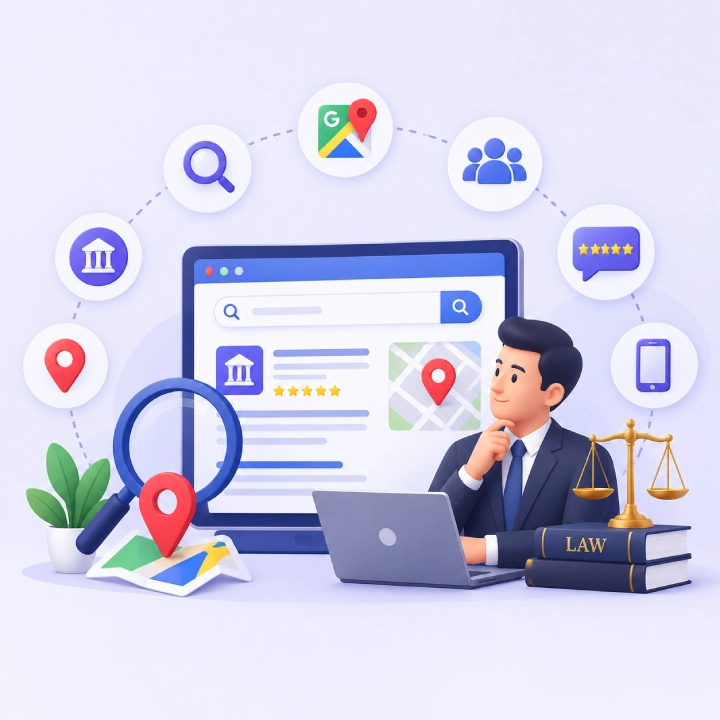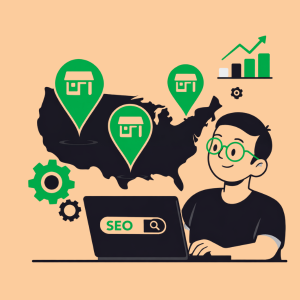
In today’s digital-driven landscape, having multiple physical locations doesn’t automatically guarantee broader customer reach. To capitalize on your widespread presence, your business must appear prominently in online searches across all your locations. That’s where Multi-location SEO USA strategies become essential.
Whether you’re a growing retail chain, a service provider with branches in different cities, or operating a franchise model, mastering localized SEO techniques ensures your business is found by nearby customers who are actively searching for your offerings. In this blog, we’ll walk you through the best practices for SEO for franchise businesses and multi-location companies across the USA.
What is Multi-Location SEO?
Multi-location SEO is the process of optimizing a website and its digital presence so that each of its physical locations ranks well in local search results. The goal is to ensure each branch, store, or outlet appears prominently when users search for relevant products or services in that specific area.
Why Is Multi-Location SEO Crucial for U.S. Businesses?
The U.S. market is diverse and highly competitive. Consumers heavily rely on local searches before making a decision. According to Google, “near me” searches have grown over 500% in recent years. If your multi-location business isn’t optimized for local queries, you’re likely losing customers to competitors.
SEO for franchise businesses or multiple outlets must go beyond basic optimization. Here’s why:
- Visibility across locations: Appearing in location-specific searches drives more foot traffic and leads.
- Consistency and trust: Accurate NAP (Name, Address, Phone) details build credibility.
- Mobile user reach: Most local searches come from mobile users looking for nearby options.
- Competitive advantage: Effective SEO outranks nearby competitors in search results.
Best Practices for Multi-Location SEO USA
Let’s dive into the tried-and-tested practices that will help your business rank locally across all locations.
- Create Dedicated Location Pages
Each location should have its own unique landing page with:
- Address and contact info
- Store hours
- Embedded Google Map
- Location-specific testimonials
- Local promotions or events
Avoid duplicate content by tailoring the content for each page to reflect the local identity, community involvement, and customer base. For instance, your Chicago outlet may emphasize cold-weather beverages or events while your Miami location focuses on beachside specials.
- Optimize Google Business Profiles for Each Location
Your Google Business Profile (GBP) is one of the most powerful tools in local SEO USA strategy. Create and verify a GBP listing for each branch with:
- Correct business name
- Specific address (not a PO box)
- Unique phone number
- Location-specific categories
- Photos of the store, team, and products
Regularly update each listing with posts, promotions, FAQs, and responses to reviews to improve visibility in Google Maps and local packs.
- Consistent NAP Data Across All Platforms
Ensure your business Name, Address, and Phone number (NAP) are consistent across:
- Your website
- Google Business Profile
- Social media platforms
- Online directories (Yelp, TripAdvisor, Yellow Pages, etc.)
Even minor inconsistencies can confuse search engines and hurt your local rankings.
- Implement Local Business Schema Markup
Schema markup is a type of structured data that helps search engines understand your content better. Use LocalBusiness schema for each location page. This allows Google to pull accurate information for rich snippets and map listings.
Add attributes such as:
- Business name
- Geo-coordinates
- Operating hours
- Reviews
- Menu or service listings (if applicable)
This increases your chances of appearing in rich results, boosting click-through rates.
- Develop Localized Content Strategies
Engage your local audience by publishing blog posts, guides, or news related to each city or region where you operate. Some ideas include:
- “Top 5 Summer Beverages in Boston by [Brand Name]”
- “How Our Dallas Branch Supports Local Art Events”
- “Your Neighborhood Pet Care Tips from Our Seattle Store”
This localized approach enhances relevance and authority in each market, directly supporting your Multi-location SEO USA efforts.
- Encourage and Manage Reviews for Each Location
Online reviews heavily influence local search rankings. Encourage happy customers to leave reviews on:
- Google Business Profile
- Yelp
- Facebook
- Niche-specific platforms (like TripAdvisor for travel-related businesses)
Monitor reviews for each location and respond promptly especially to negative ones. A proactive approach improves reputation and signals activity to search engines.
- Build Local Backlinks
Local backlinks from region-specific websites enhance the credibility of each location. Strategies include:
- Partnering with local blogs or influencers
- Getting listed in city directories or local chambers of commerce
- Sponsoring local events or charities
- Guest posting on regional publications
These high-quality, location-specific backlinks strengthen your domain authority and search rankings.
- Use Location-Based Keywords Strategically
Incorporate location-based keywords throughout:
- Page titles and meta descriptions
- H1 and H2 headings
- Image alt texts
- URL structures
- Internal links
Examples:
- “Best Pizza Restaurant in Austin, TX”
- “Affordable Legal Services in San Diego”
- “Eco-Friendly Dry Cleaners in Portland”
Tools like Google Keyword Planner or SEMrush can help identify high-volume local keywords relevant to each branch.
- Optimize for Mobile Search and Voice Search
With most local searches happening on smartphones and smart devices, optimizing for mobile and voice is essential:
- Ensure responsive design
- Use fast-loading pages
- Add FAQs with conversational keywords to capture voice queries
- Include “near me,” “open now,” and long-tail queries naturally in content
Optimizing for mobile improves usability, while voice search optimization supports your SEO for franchise businesses by matching real-world search behavior.
- Use a Location Finder or Store Locator Tool
Make it easy for customers to find your nearest store with an interactive location finder on your website. Key features should include:
- Zip code or city search
- Map view
- Filters (hours, services, accessibility, etc.)
- Direct links to individual location pages
This improves user experience and strengthens internal linking both of which support SEO.
Common Challenges in Multi-Location SEO and How to Overcome Them
Duplicate Content
Avoid using the same content across all location pages. Personalize each page with unique offerings, team photos, and local language nuances.
Inconsistent Data
Use a tool like Yext or Moz Local to audit and manage NAP data across directories for accuracy and consistency.
Poor Link Structure
Ensure your internal linking hierarchy makes sense:
- Homepage > Locations > City > Individual Location Page
This structure improves crawlability and user navigation.
Advanced SEO for Franchise Businesses
- Franchisee Microsites: Allow franchise owners to run microsites under your domain (e.g., brand.com/denver) with some control over local content.
- Centralized SEO Management: Use an SEO management platform to monitor rankings, reviews, and analytics across all locations.
- Franchisee Training: Provide digital marketing training and toolkits for franchise owners to implement local SEO initiatives effectively.
The Future of Multi-Location SEO USA
The next wave of local SEO is being shaped by AI, predictive search, and hyper-personalization. Emerging trends include:
- AI-generated location content
- Geo-fencing and location-based ad targeting
- Augmented reality (AR) local experiences
- Deeper integration with social search (Instagram and TikTok location tagging)
Staying ahead of these trends will help your multi-location business stay competitive in the evolving search landscape.
SEO for multi-location businesses in the USA is no longer optional, it’s critical for growth, visibility, and customer acquisition. By following best practices tailored for local SEO USA, you ensure every outlet or franchise unit performs optimally in local search results.
Whether you’re overseeing a national franchise network or expanding a small chain of service centers, strategic SEO implementation across each location ensures your brand shines everywhere you operate.
Frequently Asked Questions
What is the difference between multi-location SEO and traditional SEO?
Traditional SEO focuses on a single website or location, while multi-location SEO targets multiple geographic areas with individual optimization strategies for each location.
How long does it take to see results from local SEO?
Typically, it takes 3 to 6 months to see significant improvement, but the timeline varies based on competition, industry, and how well SEO best practices are implemented.
Can I use the same content on all location pages?
No, avoid duplicate content. Each location page should be unique and tailored to its audience and services.
Do I need a Google Business Profile for each location?
Yes. A unique, verified Google Business Profile for each location is essential to rank in local search and maps.
What tools can help manage multi-location SEO?
Useful tools include Moz Local, Yext, BrightLocal, SEMrush, and Google Business Profile Manager.L