In the constantly changing world of marketing, businesses constantly come across with the choice between digital marketing and traditional marketing. As we navigate through 2026, this decision has become more pivotal than ever. Both strategies offer unique advantages and challenges, and understanding their nuances is crucial for crafting effective marketing campaigns. So let’s have a look at Digital Marketing vs Traditional Marketing: What Works in 2026?
Understanding Traditional Marketing in 2026
As the name suggests, traditional marketing refers to all the conventional advertising methods such as television commercials, print media (newspapers and magazines), radio spots, billboards, and direct mail. These marketing channels are being used for a long period of time and are a bedrock of marketing strategies, offering tangible and broad-reaching avenues to connect with audiences.
In recent years we have seen a significant increase in digital marketing, however traditional marketing still maintains a significant presence. Furthermore, many research also indicates that the traditional channels of marketing will be going strong in coming years too.
The Rise of Digital Marketing in 2026
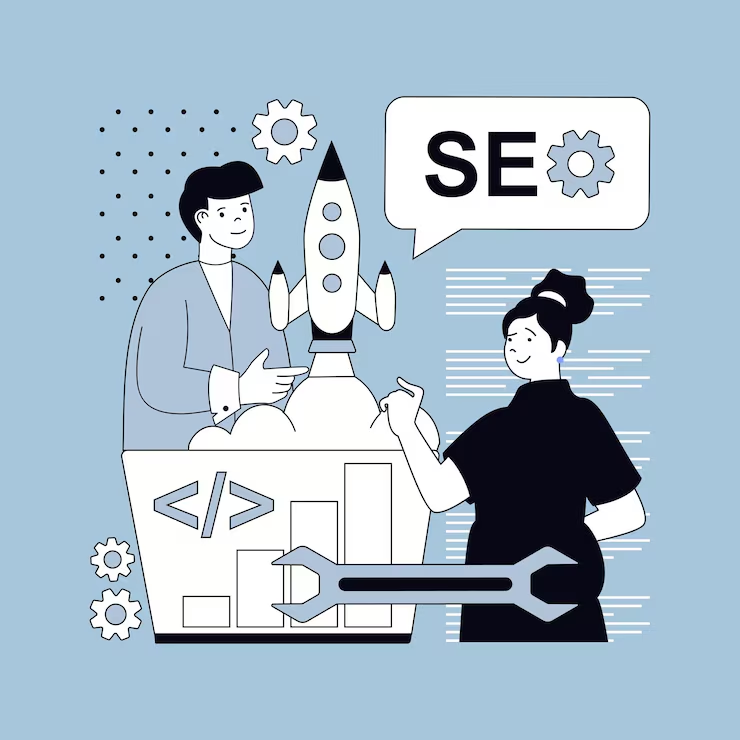
Opposite to traditional marketing, digital marketing aims at using online platforms to engage with target audiences. It involves many strategies such as engine optimization (SEO), social media marketing, email campaigns, pay-per-click (PPC) advertising, and content marketing.
With the increase in the use of the internet and handheld devices, we have recorded a huge increase in digital marketing efforts. With the internet in play, businesses can now reach a wider range of audience and with low expenses.
By the end of the 2026 digital marketing is expected to become a significant part of the advertising landscape. More and more businesses are rapidly investing in digital marketing to facilitate the growth of their business. Techniques such as SEO and Social Media Marketing are becoming very popular amongst business owners, as they provide a much more direct connection with users.
Key Differences Between Digital and Traditional Marketing
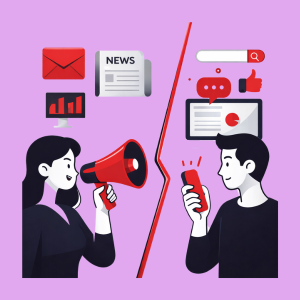
Now that we have understood what digital and traditional marketing are, let’s have a look at the difference between them. Thus, the difference will help you to figure out the right marketing strategy for your business.
1. Reach and Targeting
- Traditional Marketing: When it comes to reach, traditional marketing offers a broader reach, thus making it effective for mass marketing campaigns. However, owing to the broader target range there’s often the issue of less precise and vague targeting which reduces the RO.
- Digital Marketing: On the other hand digital marketing provides for highly targeted advertising. This allows for businesses to reach specific demographics based on factors like age, location, interests, and online behavior. This precision enhances the efficiency of marketing efforts.
- 2. Cost Efficiency
- Traditional Marketing: Can be costly, especially mediums like television and radio ads, which require significant investment for production and placement.
- Digital Marketing: Generally more cost-effective, offering flexible budgeting options. Small businesses can compete with larger corporations by strategically utilizing digital channels.
- 3. Engagement and Interaction
- Traditional Marketing: Primarily a one-way communication channel, offering limited opportunities for direct consumer interaction.
- Digital Marketing: Encourages two-way communication, enabling businesses to engage directly with consumers through social media platforms, comments, and personalized emails.
- 4. Measurability
- Traditional Marketing: Measuring the effectiveness of campaigns can be challenging, often relying on estimates and indirect metrics.
- Digital Marketing: Offers real-time analytics and measurable results, allowing businesses to track performance and adjust strategies promptly.
- 5. Adaptability
- Traditional Marketing: Requires longer lead times for campaign development and implementation, making rapid adjustments difficult.
- Digital Marketing: Highly adaptable, with the ability to launch, modify, and optimize campaigns quickly in response to market trends and consumer feedback.
The Shift in Consumer Behavior
Consumer behavior has undergone significant transformations, influencing the effectiveness of marketing strategies:
- A substantial percentage of shoppers conduct online research before making purchases, highlighting the importance of a robust digital presence.
- Consumers increasingly rely on social media platforms to guide purchasing decisions, emphasizing the need for active engagement in these channels.
- The rise of mobile devices has led to a surge in mobile transactions, necessitating mobile-optimized digital marketing strategies.
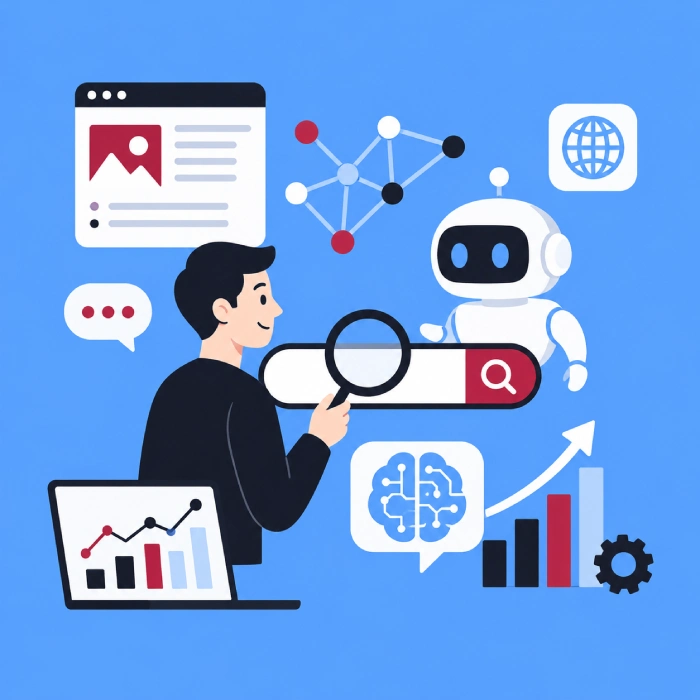
The Role of Automation and AI In Digital Marketing
Advancements in technology have introduced tools that enhance digital marketing efforts:
- Artificial Intelligence (AI): AI is being utilized for personalized ad copy, customer support, and content generation, improving efficiency and effectiveness.
- Automation Tools: Platforms like Google Analytics 4, HubSpot, and Hootsuite are aiding in managing and analyzing marketing campaigns, providing valuable insights and streamlining processes.
Integrating Digital and Traditional Marketing
A mixed approach that combines both digital and traditional marketing can provide optimal results. With the help of professional marketing services in USA you can get:
- Broader Reach: Utilizing both methods allows businesses to connect with diverse audiences across various platforms.
- Enhanced Engagement: Integrating traditional marketing with digital strategies can boost consumer engagement, as campaigns resonate through multiple touchpoints.
- Improved Conversion Rates: A blended approach can guide consumers through the purchasing journey more effectively, leading to higher conversion rates.
Conslusion
In 2026, the debate between digital marketing and traditional marketing is no longer about which one is superior, but rather how businesses can leverage both effectively.
Digital marketing offers precision targeting, cost efficiency, real-time analytics, and global reach, making it indispensable for modern businesses. On the other hand, traditional marketing remains relevant due to its ability to establish trust, reach offline audiences, and create a lasting brand presence.
Now we understand it might become difficult for you to decide what to choose. As different occasions require different approaches. Therefore you need a professional digital marketing and advertising agency in USA, which is proficient in both types of marketing. They’ll help you by making a personalized mixed strategy that will drive your unique goals.
Frequently Asked Questions
What is the main difference between digital marketing and traditional marketing?
The primary difference between digital marketing and traditional marketing lies in their approach. Traditional marketing uses offline channels like TV, newspapers, and billboards, whereas digital marketing leverages online platforms such as social media, SEO, and email marketing to reach targeted audiences.
Why is digital marketing more effective than traditional marketing in 2026?
Digital marketing is more effective in 2025 because it allows precise audience targeting, real-time analytics, cost-efficiency, and global reach. Unlike traditional marketing, which relies on mass outreach, digital strategies use data-driven insights to engage the right consumers at the right time.
Is traditional marketing still relevant in 2026?
Yes, traditional marketing remains relevant in 2026, especially for building brand trust and reaching audiences in non-digital spaces. Print media, TV commercials, and billboards are still effective for businesses targeting specific demographics that prefer offline communication.
Which businesses should use a combination of digital and traditional marketing?
Businesses with diverse customer bases should use both digital marketing and traditional marketing. For example, brands targeting older audiences may benefit from newspaper ads, while younger consumers are more likely to engage with digital ads and social media campaigns.
What are the most effective digital marketing strategies in 2026?
The most effective digital marketing strategies in 2025 include SEO, influencer marketing, social media advertising, AI-driven personalization, content marketing, and automation tools. These strategies help businesses optimize their online presence and maximize customer engagement.
How can businesses transition from traditional marketing to digital marketing?
Businesses can transition from traditional marketing to digital marketing by building an online presence through websites, social media, and SEO. They can start by incorporating email campaigns, paid ads, and content marketing while gradually reducing reliance on print or TV advertising.