Internal linking is more than just connecting web pages, it’s a powerful SEO tool that can significantly boost your website’s performance. As search engine algorithms become more advanced in 2025, having a well-structured internal linking strategy is critical for improving crawlability, enhancing user experience, and increasing your website’s ranking potential. In this blog, we’ll break down how to build an effective internal linking strategy for SEO in 2025 with the latest best practices.
What is Internal Linking in SEO?
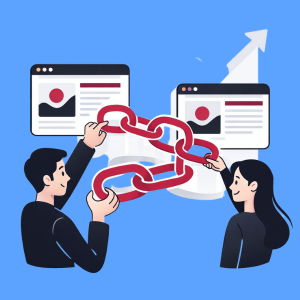
Internal linking refers to the process of linking one page of a website to another page within the same domain. These links help both users and search engines navigate your site. For example, linking a blog post to a related service page or another relevant blog article keeps the user engaged and helps Google understand your site structure.
Why Internal Linking Matters in 2025
Search engines are constantly evolving. In 2025, Google’s algorithms prioritize contextual relevance, content clusters, and user experience more than ever. Here’s why internal linking is essential:
- Improves Crawlability: Internal links guide search engine bots, helping them discover and index more pages.
- Distributed Link Equity: They spread authority (link juice) across your website, boosting SEO rankings.
- Enhances UX: They offer users more relevant content, improving engagement and time on site.
- Creates Content Hubs: Internal linking supports topic clusters, signaling expertise on a particular subject.
Step-by-Step Guide to Build an Internal Linking Strategy in 2025
Let’s dive into how you can build an internal linking strategy that’s both effective and future-ready.
1. Conduct a Content Audit
Start with a full audit of your existing content. Identify:
- High-performing pages that already have backlinks and authority.
- Underperforming pages that could benefit from link equity.
- Orphan pages (pages without any internal links pointing to them).
Use tools like Screaming Frog, Ahrefs, or SEMrush to get a complete picture of your internal link structure.
2. Use Topic Clusters for Strategic Linking
Google loves content hubs. Organize your content into topic clusters, a pillar page targeting a broad keyword and several related sub-topic pages. Link all cluster pages back to the pillar page and vice versa. This creates a logical structure and tells Google that your site is an authoritative resource on that topic.
3. Identify and Use Keyword-Rich Anchor Text
In 2025, contextual anchor text plays a crucial role. Instead of generic terms like “click here” or “read more,” use descriptive, keyword-rich anchor texts that reflect the target page’s content. Make sure the anchor text is natural and relevant to avoid keyword stuffing.
4. Prioritize Linking to High-Value Pages
Not all pages are created equal. Identify which pages drive the most revenue, leads, or conversions, and increase internal links pointing to them. These could be:
- Service or product pages
- Landing pages
- Pillar blog posts
Boost their visibility by linking to them from other content-rich pages.
5. Fix Orphan Pages
Orphan pages can’t be found by users or search engines unless they’re directly accessed through a URL. These pages are SEO dead zones. Use site auditing tools to identify and link them from related content. Ensure every page on your website is part of a logical internal linking structure.
Best Practices for Internal Linking in 2025
Here are some up-to-date internal linking tips to help you stay ahead in 2025:
1. Maintain a Shallow Site Structure
Try to ensure that every page on your website is reachable within three clicks from the homepage. A shallow architecture improves crawl efficiency and user navigation.
2. Use Navigation and Footer Links Wisely
While contextual links within content are most valuable for SEO, don’t overlook navigation bars, sidebars, and footer links. They help users find essential pages and distribute link equity across the site.
3. Avoid Broken Internal Links
Broken links frustrate users and harm SEO. Use tools like Google Search Console or Ahrefs Site Audit to regularly check and fix internal link errors.
4. Link Deep, Not Just to the Homepage
A common mistake is linking only to the homepage or top-level category pages. Instead, link to deeper pages within your site to boost their visibility and performance.
5. Add Internal Links While Publishing New Content
When you publish a new article or page, immediately add internal links to and from related existing pages. This ensures the new content is discoverable and supports your content ecosystem.
Advanced Tips for a Winning Internal Linking Strategy
Want to take your internal linking to the next level? Here are a few advanced tactics that are shaping internal linking strategies in 2025:
1. Use AI and Automation Tools
Leverage AI-powered tools like Link Whisper or Surfer SEO internal linking suggestions to automate internal linking intelligently, especially for large websites.
2. Monitor User Behavior
Use heatmaps and user journey analytics to understand which internal links users actually click on. This helps refine placement and improve UX.
3. Implement Schema Markup
While not directly related to internal linking, using structured data enhances how internal links appear in search results, increasing click-through rates.
4. Balance Internal and External Linking
While internal links are vital, ensure your content also has high-quality outbound links to authoritative sources. This shows credibility and aligns with Google’s E-E-A-T (Experience, Expertise, Authoritativeness, Trustworthiness) guidelines.
Common Internal Linking Mistakes to Avoid
Even in 2025, many websites still make basic internal linking mistakes that cost them rankings. Avoid these:
- Overusing the same anchor text across multiple links
- Linking irrelevant pages just for the sake of linking
- Having too many internal links on a single page (dilutes link value)
- Forgetting to update links when URLs change
An effective internal linking strategy in 2025 is not just about SEO, it’s about creating a seamless experience for users and signaling relevance to search engines. When executed thoughtfully, internal links can improve discoverability, enhance engagement, and drive higher search rankings.
Start by auditing your current structure, focus on topic clusters, use contextual anchor text, and consistently link to your high-priority pages. As SEO continues to evolve, smart internal linking remains one of the most reliable, scalable, and cost-effective strategies in your digital marketing toolkit.
Frequently Asked Questions
What is the difference between internal and external linking in SEO?
Internal linking connects pages within the same website, while external linking connects your pages to other websites. Internal links improve site navigation and SEO structure, while external links provide additional context and credibility.
How many internal links should a page have for SEO?
There’s no fixed number, but a good rule of thumb is to keep it natural and relevant. For most content pages, 3–10 internal links are optimal. Avoid overlinking, as it can dilute the SEO value and confuse users.
Can internal links improve my Google rankings?
Yes, when done strategically, internal links help distribute page authority, improve crawlability, and highlight important content, factors that can positively impact your search engine rankings.
How do I choose the right anchor text for internal links?
Use descriptive and keyword-rich anchor text that accurately represents the content of the linked page. Avoid vague terms like "click here" and instead focus on meaningful phrases like "SEO strategies for 2025."
Is it necessary to update old internal links?
Absolutely. Regularly updating internal links ensures they remain relevant and functional, especially when content is updated or URLs change. Broken or outdated links can negatively affect user experience and SEO.
Do internal links help new content get indexed faster?
Yes. Linking new content to existing high-authority pages helps search engine bots discover and index it faster, improving its chances of ranking sooner in search results.